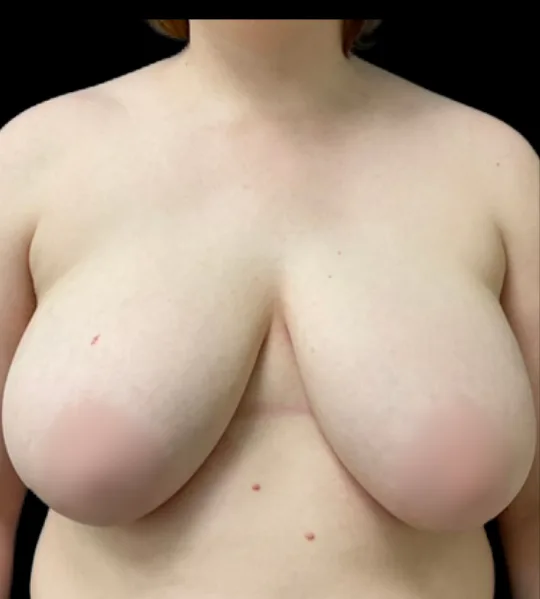
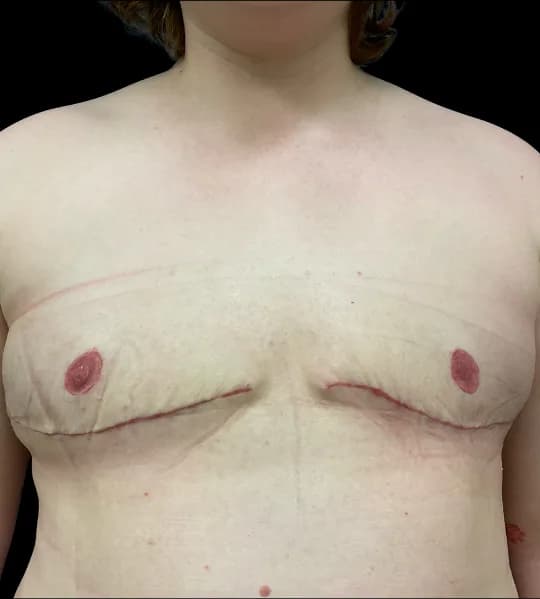
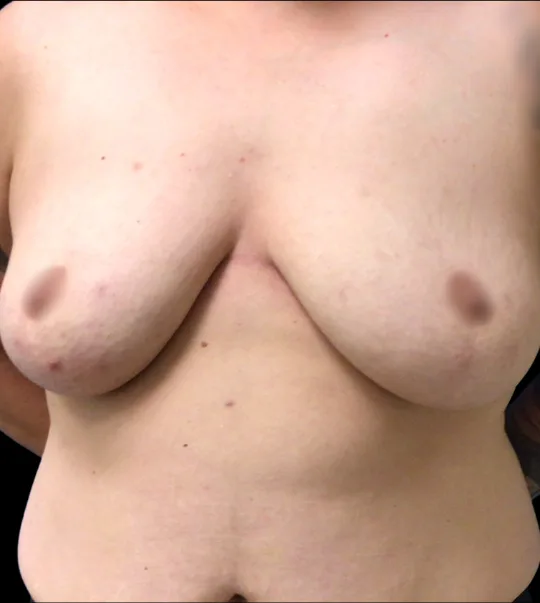
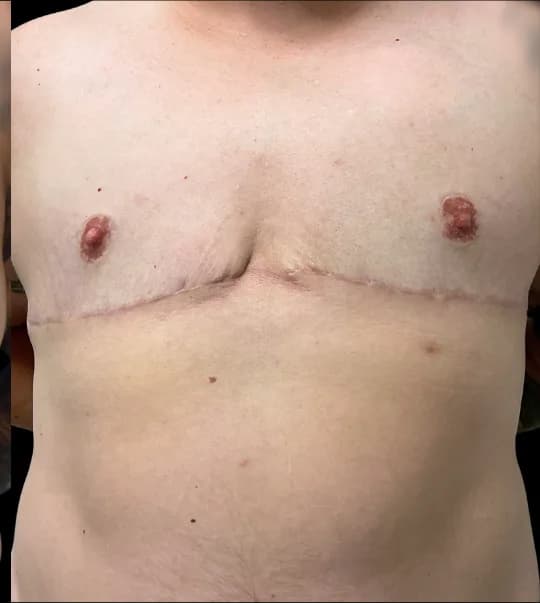
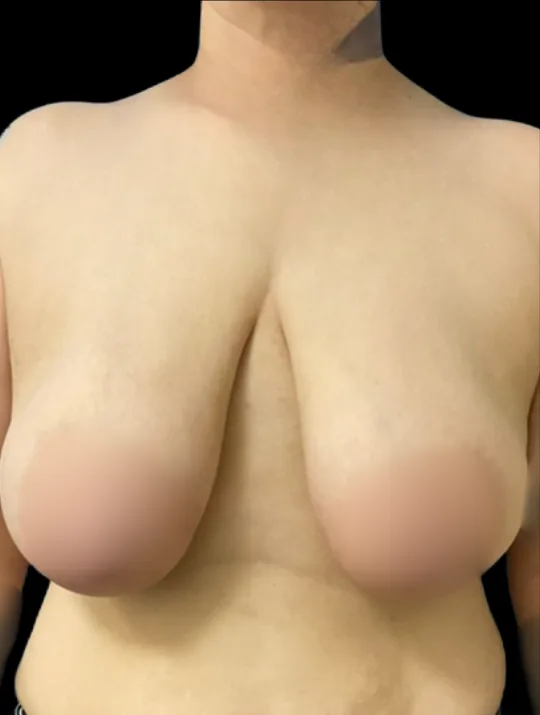
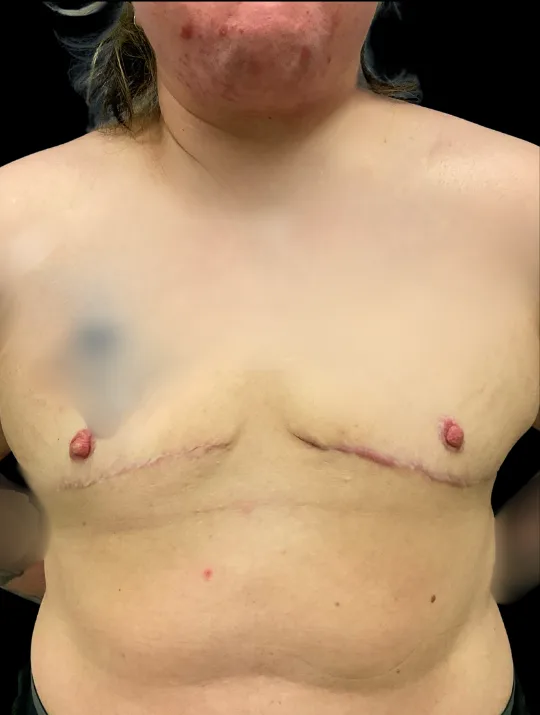
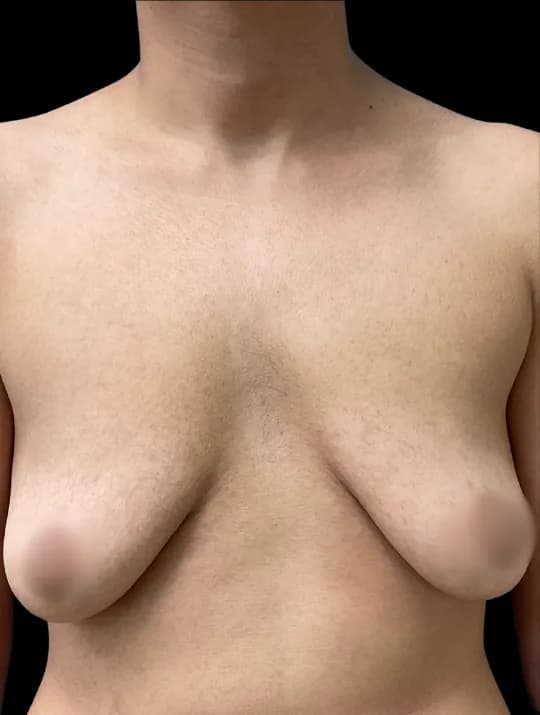
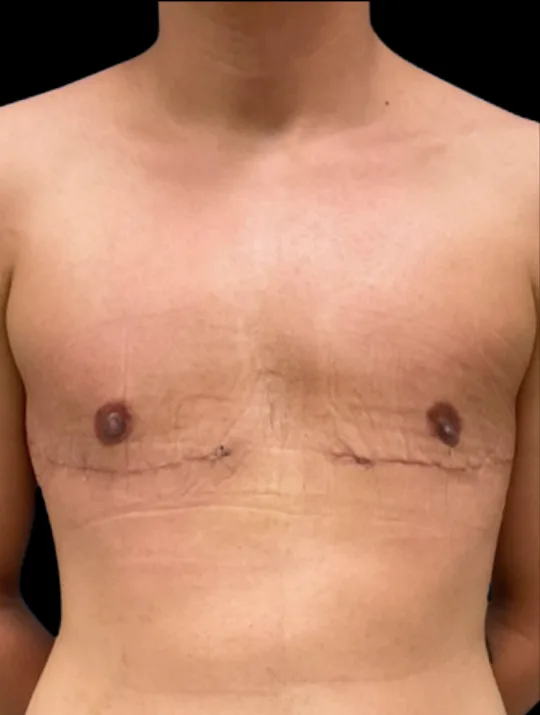
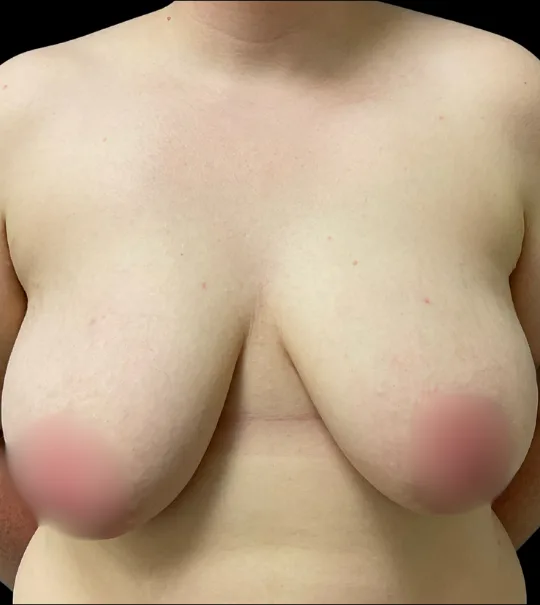
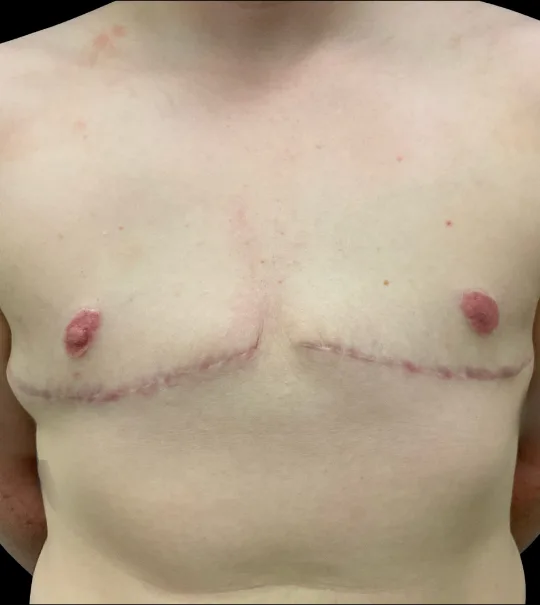
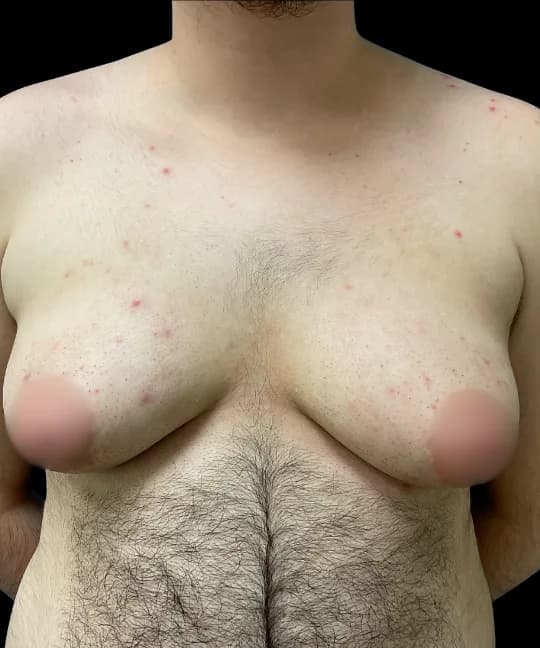
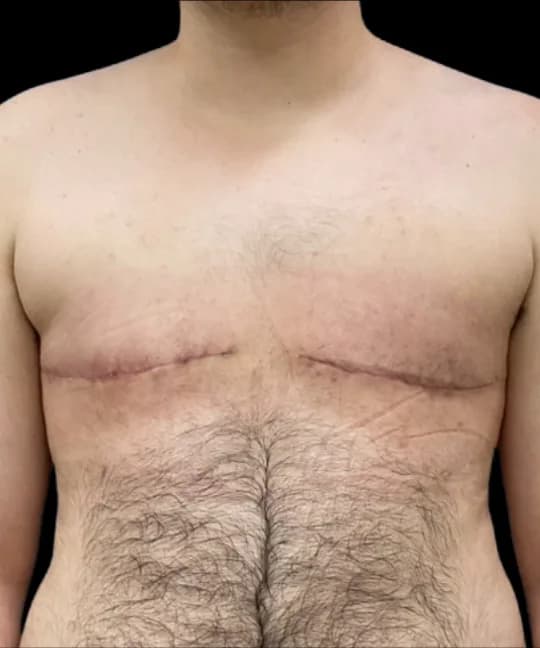
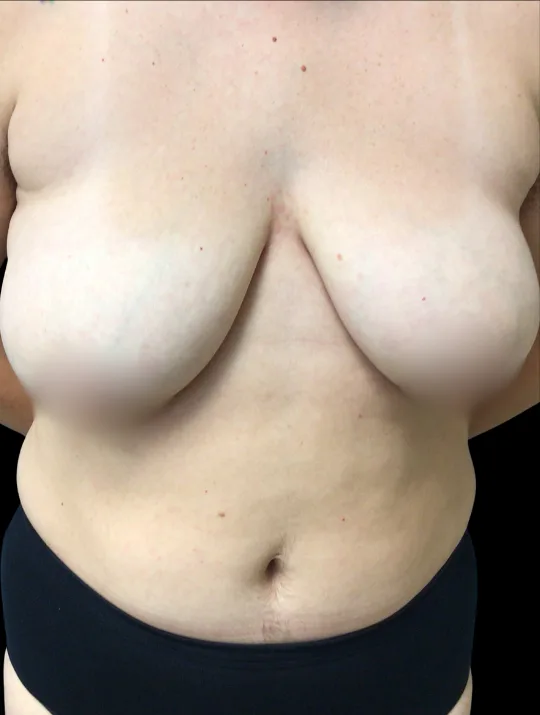
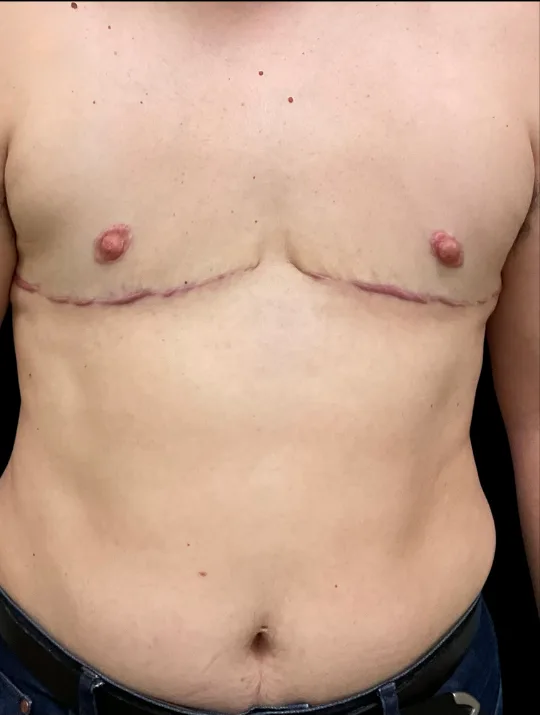
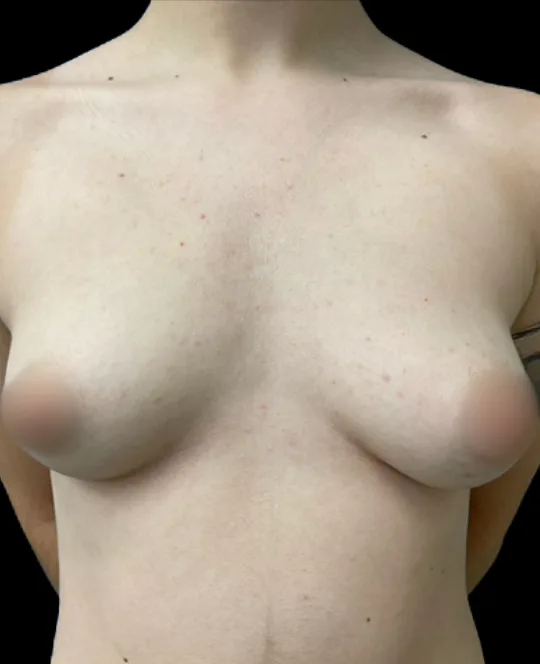
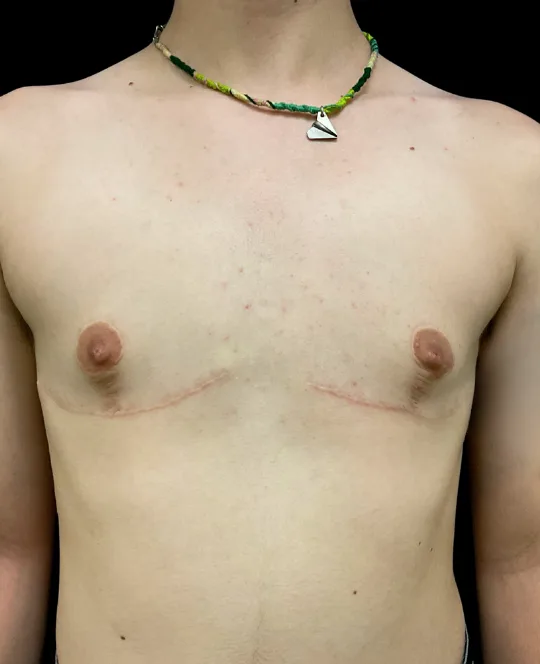
Top surgery isn’t one operation — it’s a family of techniques, each suited to different bodies and goals. This guide walks through what shapes the decision and the options available, so you can choose the approach that’s right for you.
You can also browse before & after results, see pricing & financing, or read about our approach to gender-affirming care. You don’t have to figure it out alone — that’s what your consultation is for.
What shapes your options
There’s no single “best” technique. The right choice depends on your chest, your skin, and what matters most to you — five things guide the decision:
- Chest size & tissue. Smaller chests with good elasticity can suit keyhole or periareolar approaches; medium to larger chests are often best served by double-incision.
- Skin elasticity. Firm, elastic skin re-drapes over a flatter contour with less scarring; looser skin usually calls for more skin removal.
- Nipple sensation. Nipple-preserving techniques (keyhole, periareolar, buttonhole) tend to retain more feeling; free grafts trade some sensation for shape.
- Scarring. Where you’d prefer scars to sit — discreet around the areola, or along the lower chest — helps guide the approach.
- Your goals. A flat masculine chest, a softer contour, keeping or resizing the nipples — your vision leads the plan we build together.
Top surgery techniques
Get to know each approach below — open any technique to read the detail, then we’ll narrow it down together. For a deeper look, read our comparison of keyhole vs. double incision.
How we’ll choose together
Your consultation, step by step:
- Share your goals & history. We talk through what you want to achieve and review your health, so the plan fits you — not a template.
- Photos that help. For virtual or in-person visits, front, side and 45° photos let Dr. Armstrong assess your chest and discuss which techniques suit you.
- A personalized recommendation. You’ll leave with a clear, honest recommendation — the right technique for your anatomy and goals, with realistic notes on scars and sensation.
OHIP funding & referrals
Top surgery can be funded by OHIP or paid for privately. The OHIP-funded pathway requires a valid referral, while no referral is required for the private pay pathway. Please note that once a pathway has been selected, it cannot be changed; therefore, we recommend carefully considering both options before proceeding.
OHIP-funded
You’ll need two things from an Ontario doctor: a referral and an OHIP prior-approval letter for your procedure. Your referring physician applies for funding on your behalf, completing Ontario’s Request for Prior Approval for Sex Reassignment Surgery. Once it’s approved, they receive an OHIP approval letter valid for 36 months (three years) — we need both that letter and the referral.
Your referral should include:
- Your legal name (and preferred name, if different), date of birth, full address and email.
- The procedure you’re seeking.
- Your OHIP approval letter for that procedure.
- Up-to-date height, weight and BMI.
If your doctor can’t complete the application, they can refer you to CAMH’s Adult Gender Identity Clinic, and Rainbow Health Ontario can help you find a 2SLGBTQ+-friendly provider near you.
Paying privately
- Referral waives the consult fee. A referral from your Ontario doctor waives the consultation fee; without one, you can register and pay it when we book.
- From another province? You’re welcome as a private pay patient — you pay upfront and submit a claim to your provincial health plan for reimbursement.
- Private insurance. We don’t bill insurers directly; you’ll receive a detailed receipt to submit with your claim. Most insurers require you to go through provincial coverage first, so review your plan’s gender-affirmation section.
OHIP covers the surgery itself; optional chest contouring during a mastectomy is not covered and carries an additional cost. Consultations are typically booked around 18–24 months after referral documents are received.
International & out-of-town patients
We welcome patients from across Canada and from abroad. Here’s how to plan:
- A virtual consultation comes first. Meet your surgeon, share photos securely, and complete your registration before you travel.
- Plan to stay about 5–7 days nearby, if possible. Typically one day before surgery and several days after — including a follow-up the day after surgery. Book your return flight for at least four days after your surgery date.
- Allow time to recover. Plan roughly two weeks of rest before returning to daily activities; your surgeon tailors all timelines to you.
- Bring a companion. A travel companion or caregiver is required for your recovery period. Travelling alone? Private nursing care can be arranged at an additional cost.
- Payment. International patients pay the full surgical cost upfront; financing and direct insurance billing aren’t available.
Where to stay
We partner with the Delta Hotels by Marriott Mississauga, connected to GraceMed Mississauga by an indoor corridor — you can be escorted to your room within minutes of your procedure. To book the partner rate, choose Special Rates → Corp/Promo Code and enter A3315 (available only through that link).
Getting here: Toronto Pearson International Airport is about 20 minutes away, and Billy Bishop Toronto City Airport about 30 minutes by car. Surgery fees don’t include travel, hotel or related expenses.
For the full picture, read our guides on traveling for top surgery and top surgery in Canada for international patients.
Frequently asked questions
Common questions about top surgery — candidacy, the procedure itself, recovery, aftercare, and scars & sensation.